
What materials are most commonly used in radiological protection?
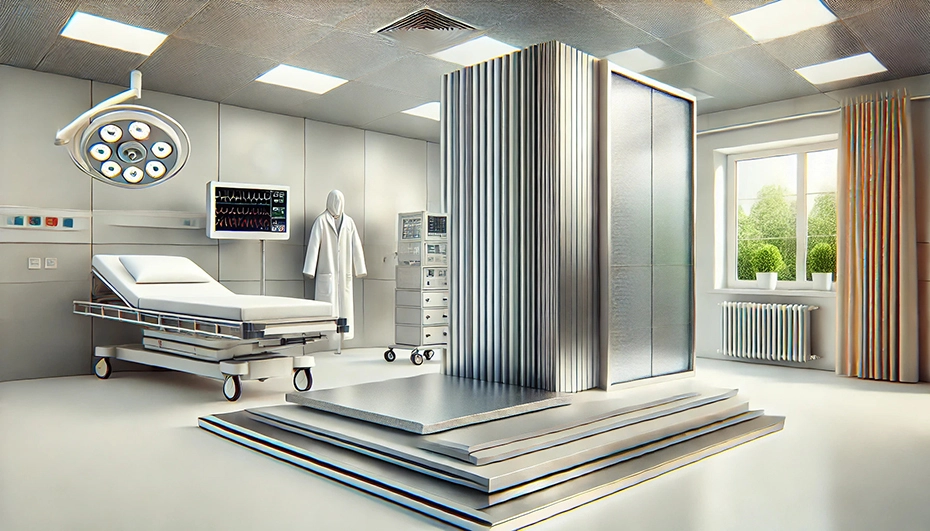
Radiological protection is one of the pillars of safe operations in medical facilities, laboratories, and other environments where ionizing radiation is present. By using appropriate protective materials, it is possible to minimize the risks associated with radiation exposure for staff, patients, and bystanders. In this article, we will take a detailed look at the materials used in radiological protection, their properties, advantages, disadvantages, and diverse applications.
Why is choosing the right protective materials crucial?
Ionizing radiation, such as X-rays or gamma rays, poses potential health risks. It can lead to:
- Genetic damage,
- Increased cancer risk,
- Impairment of the hematopoietic system,
- Health complications from prolonged exposure.
Protective materials play a vital role in preventing these risks by blocking radiation and limiting its penetration into the surroundings. The choice of the right material depends on several factors, including:
- The type of radiation,
- The power of the radiation source,
- The frequency of exposure,
- Environmental conditions and application specifics (e.g., mobile screens, fixed shields).
Lead – a reliable foundation for radiological protection
1. Properties of lead
Lead has been a cornerstone material in radiological protection for decades. Its exceptional ability to absorb radiation is due to:
- High density: 11.34 g/cm³, making it one of the most effective barriers against radiation.
- Plasticity: Its malleability allows for easy shaping and adaptation to various applications.
- Chemical resistance: Lead is resistant to corrosion and external factors.
2. Applications of lead
- Walls and ceilings in x-ray rooms: Gypsum boards with lead inserts are standard in radiological facility construction.
- X-ray doors: Lead forms a critical part of the protective layer in doors, effectively blocking radiation.
- Mobile screens: Widely used in portable barriers due to their efficiency – read more.
- Lead glass: A transparent material used in observation windows, enabling monitoring without exposure to radiation.
3. Advantages and disadvantages of lead
Advantages:
- High protective efficiency,
- Wide range of applications,
- Durability and resistance to external factors.
Disadvantages:
- Weight: Lead is very heavy, which can limit the mobility of certain solutions.
- Toxicity: Requires proper precautions during handling and disposal.
Lead composites – a modern alternative
1. What are lead composites?
Lead composites are advanced materials that combine the protective properties of lead with the lightness and flexibility of other substances. They are used as a more eco-friendly and convenient solution in radiological protection.
2. Applications of lead composites
- Mobile screens: Their reduced weight makes them easier to handle and transport.
- Protective films: Used for adapting spaces without the need for major renovations.
- Protective clothing: Aprons, gloves, and collars designed for medical personnel.
3. Advantages and disadvantages of lead composites
Advantages:
- Lighter than traditional lead,
- Easier to recycle,
- Suitable for creating more complex shapes.
Disadvantages:
- Higher production costs,
- Less resistant to extreme conditions compared to pure lead.
Lead glass – a transparent protective barrier
1. Characteristics of lead glass
Lead glass is a material with unique properties, combining transparency with high protection against radiation. Thanks to its lead oxide content, lead glass effectively blocks X-rays and gamma rays. Learn more about lead glass and explore our range of products.
2. Applications of lead glass
- Observation windows in x-ray rooms: Enable technicians and doctors to monitor procedures without being exposed to radiation.
- Viewports in x-ray doors: Facilitate the control of procedures without the need to enter the room.
- Laboratory shields: Protect personnel during scientific experiments.
3. Advantages of lead glass
- Light transmission: Allows clear observation.
- Aesthetic appearance: Fits well in modern medical facilities.
- Durability: Resistant to damage and long-lasting.
Protective films and tapes
1. Functions and applications
Protective films and tapes are practical solutions primarily used to adapt existing spaces to meet radiological protection requirements.
- For walls and doors: Provide quick reinforcement of existing surfaces.
- For room modernization: Enable space adaptation without the need for costly renovations.
2. Advantages of films and tapes
- Ease of installation: Simple to apply and adjust.
- Flexibility: Suitable for various shapes and surfaces.
- Versatility: Applicable in diverse environments.
Modern materials in radiological protection
To address the challenges posed by the weight and toxicity of lead, innovative protective materials have been introduced:
1. Barrier polymers
Polymers enriched with radiation-absorbing compounds are lightweight, flexible, and easy to process.
2. Metal alloys
Materials such as tungsten and bismuth serve as alternatives to lead, particularly in demanding environments.
3. Protective fabrics
Used in protective clothing, they offer comfort and mobility for medical personnel.
Summary
In radiological protection, choosing the right materials is crucial to providing an effective barrier against radiation. Lead, composites, lead glass, and innovative polymers and metal alloys form the foundation of modern protective solutions.
If you’re looking for reliable materials and products for radiological protection, visit Coradika.pl – a leader in delivering advanced solutions for medicine and industry.


